Guide to Using Mobility Scooters in St Helens

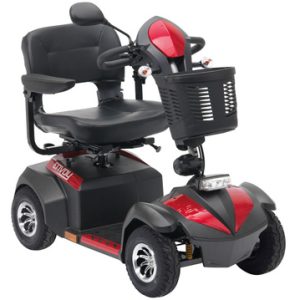
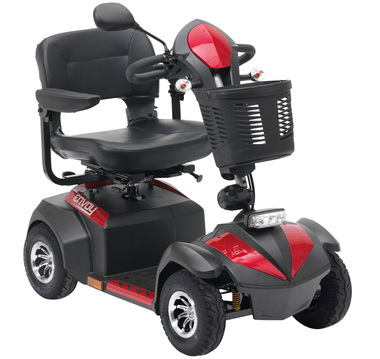
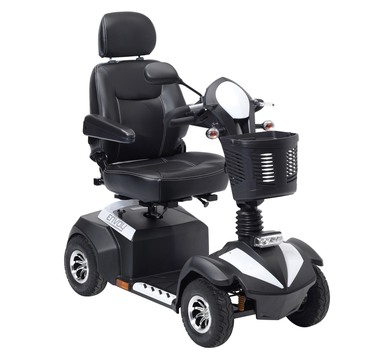
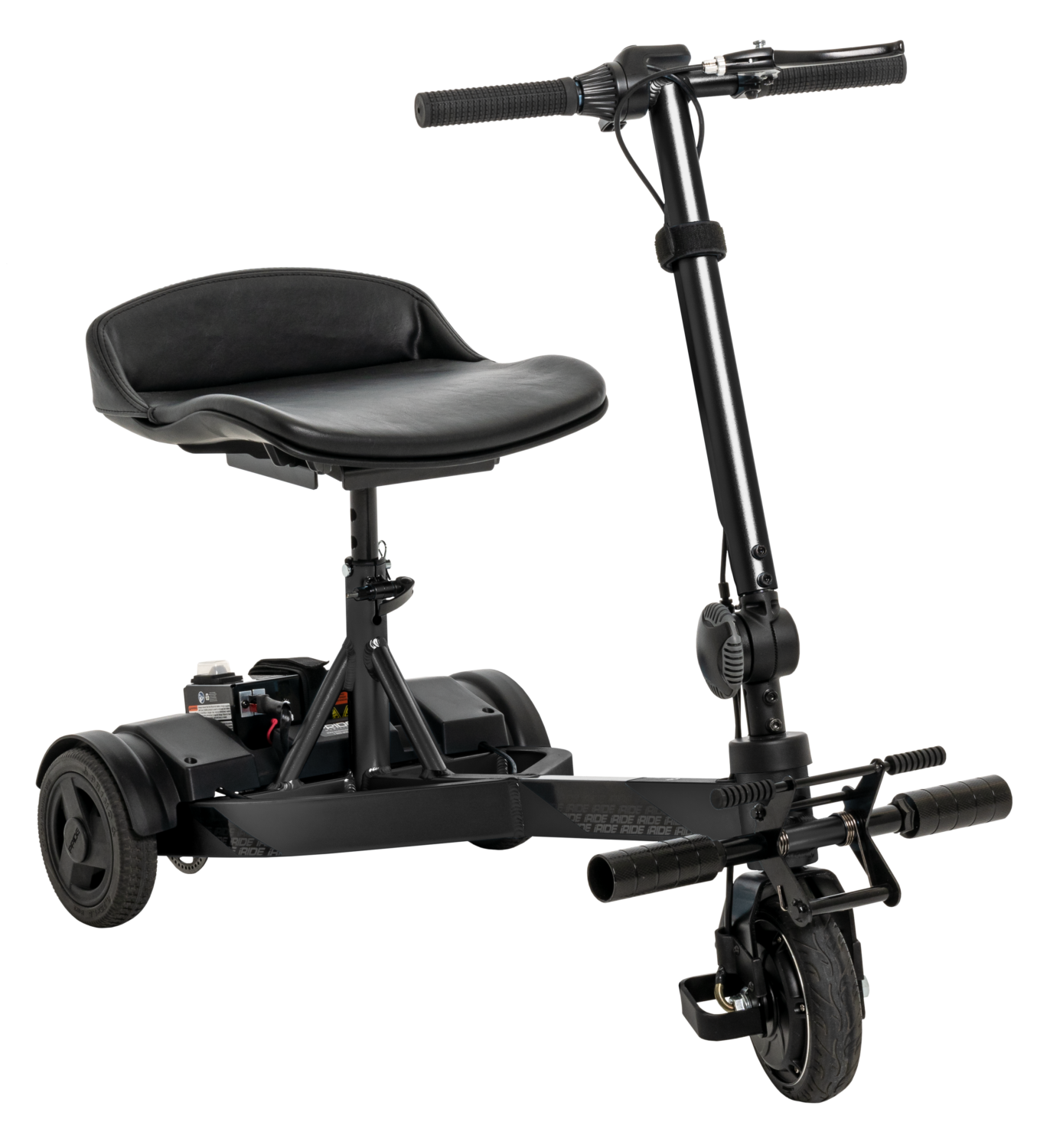
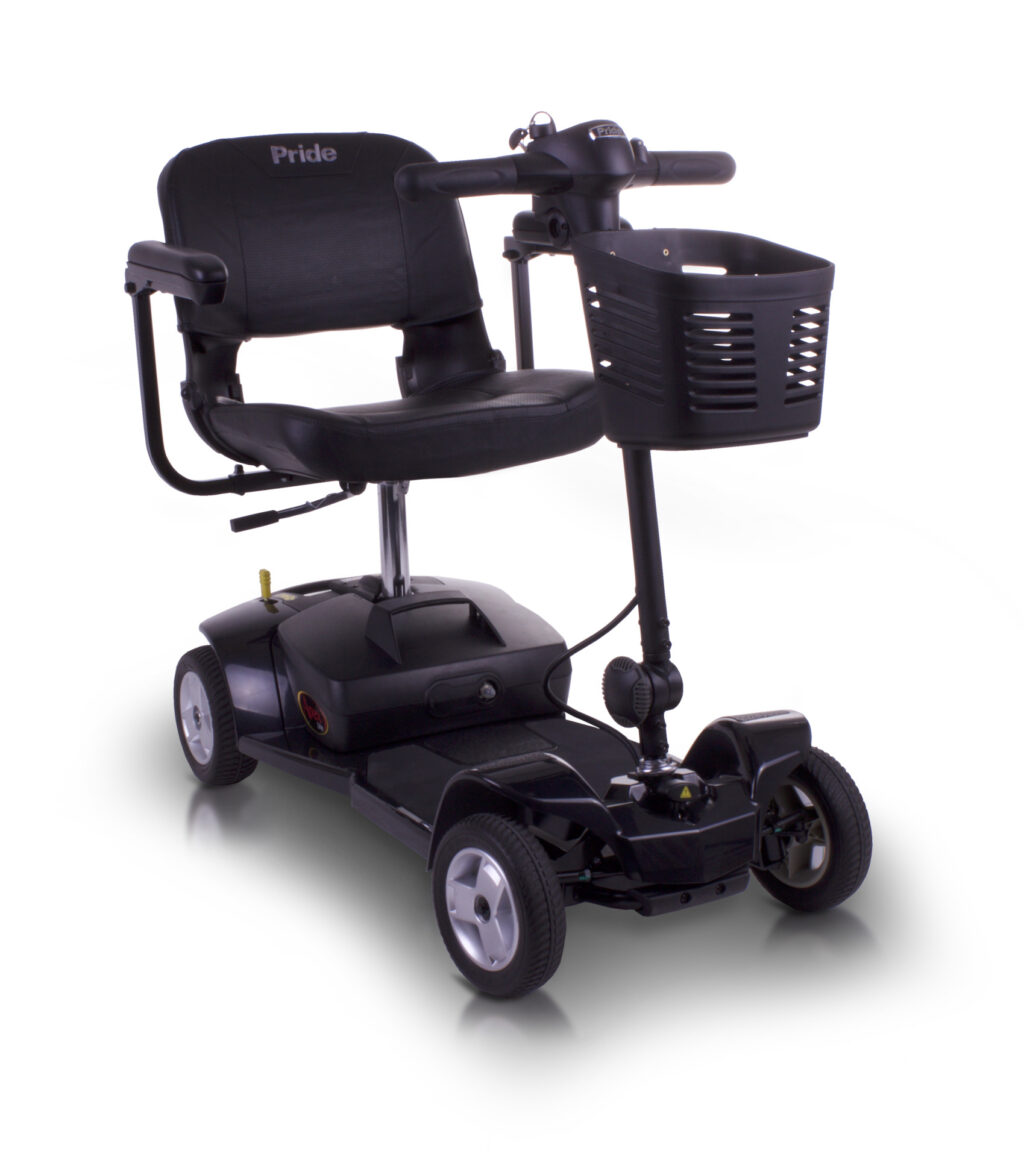
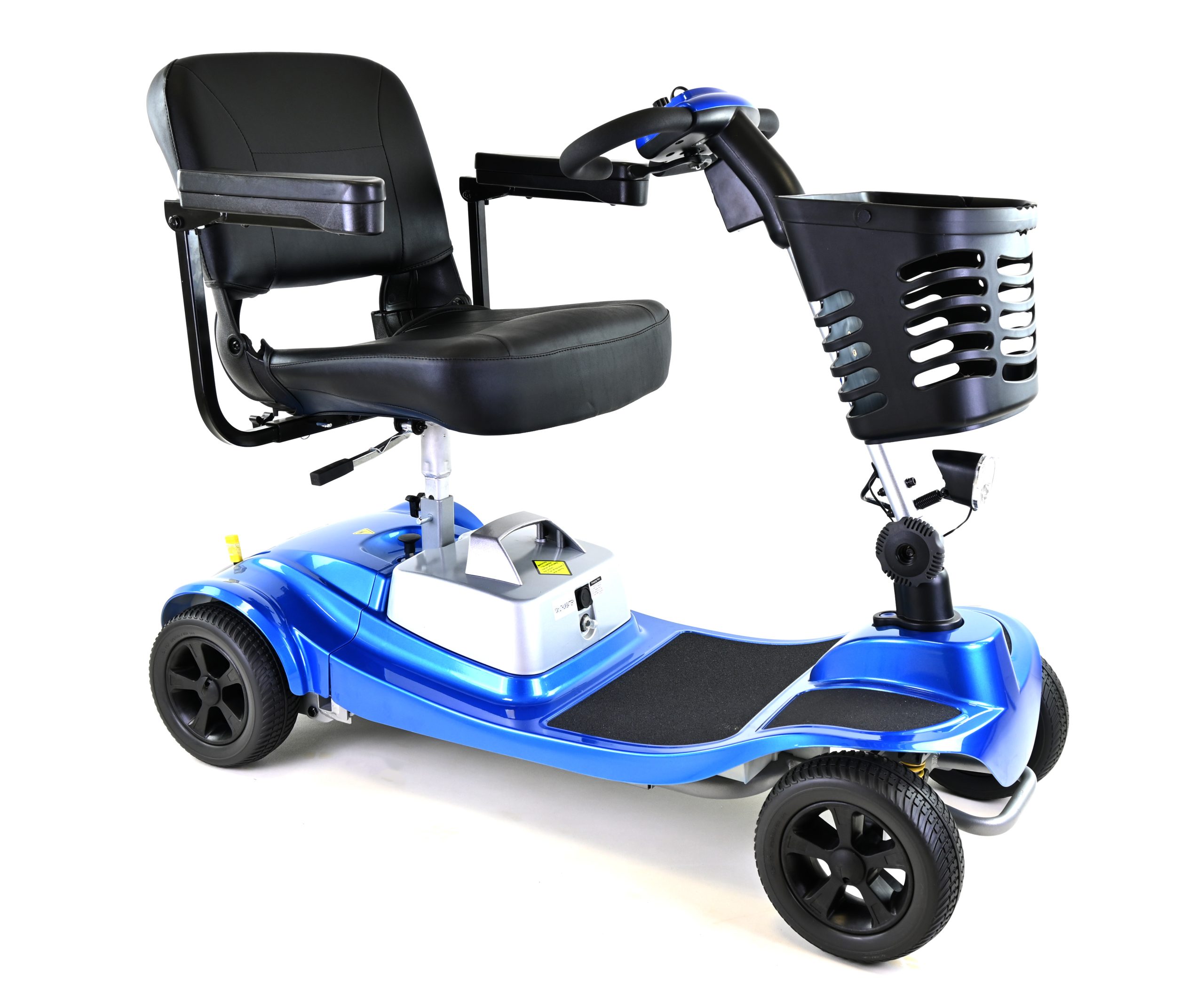
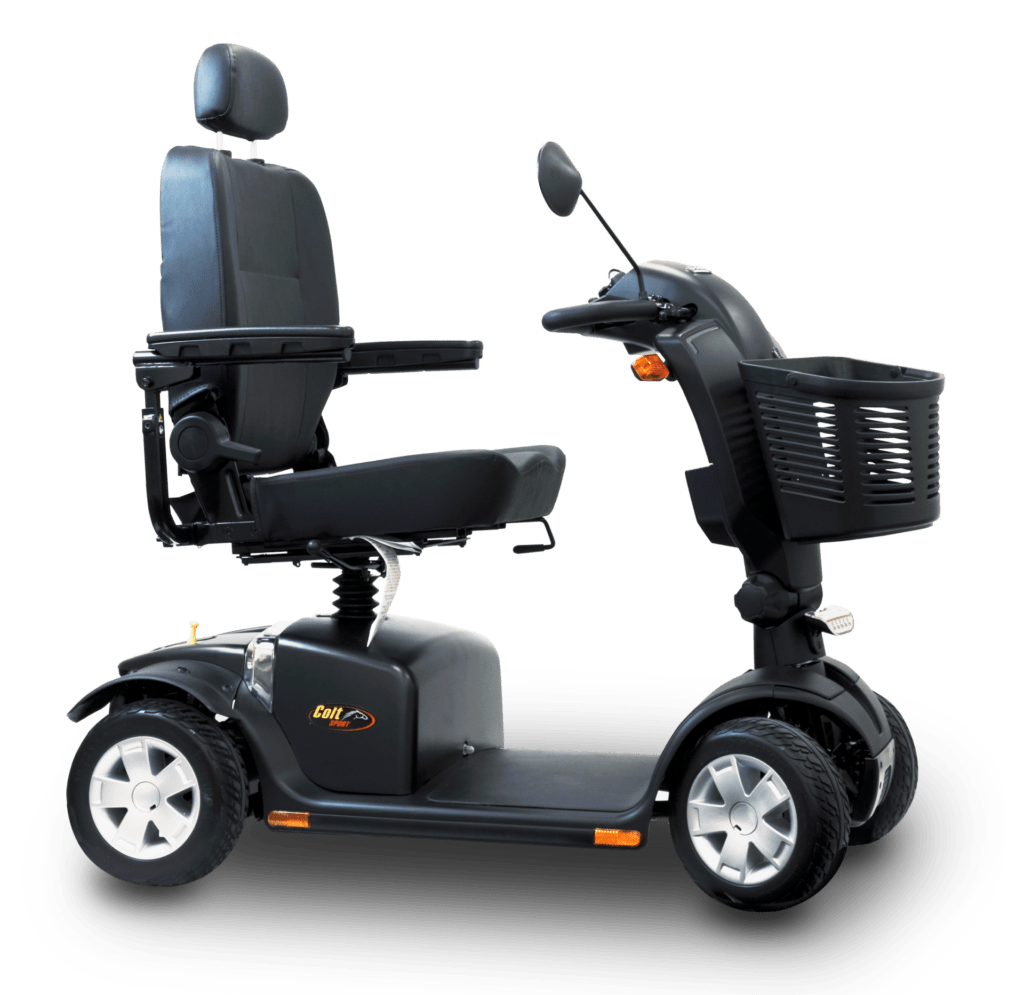
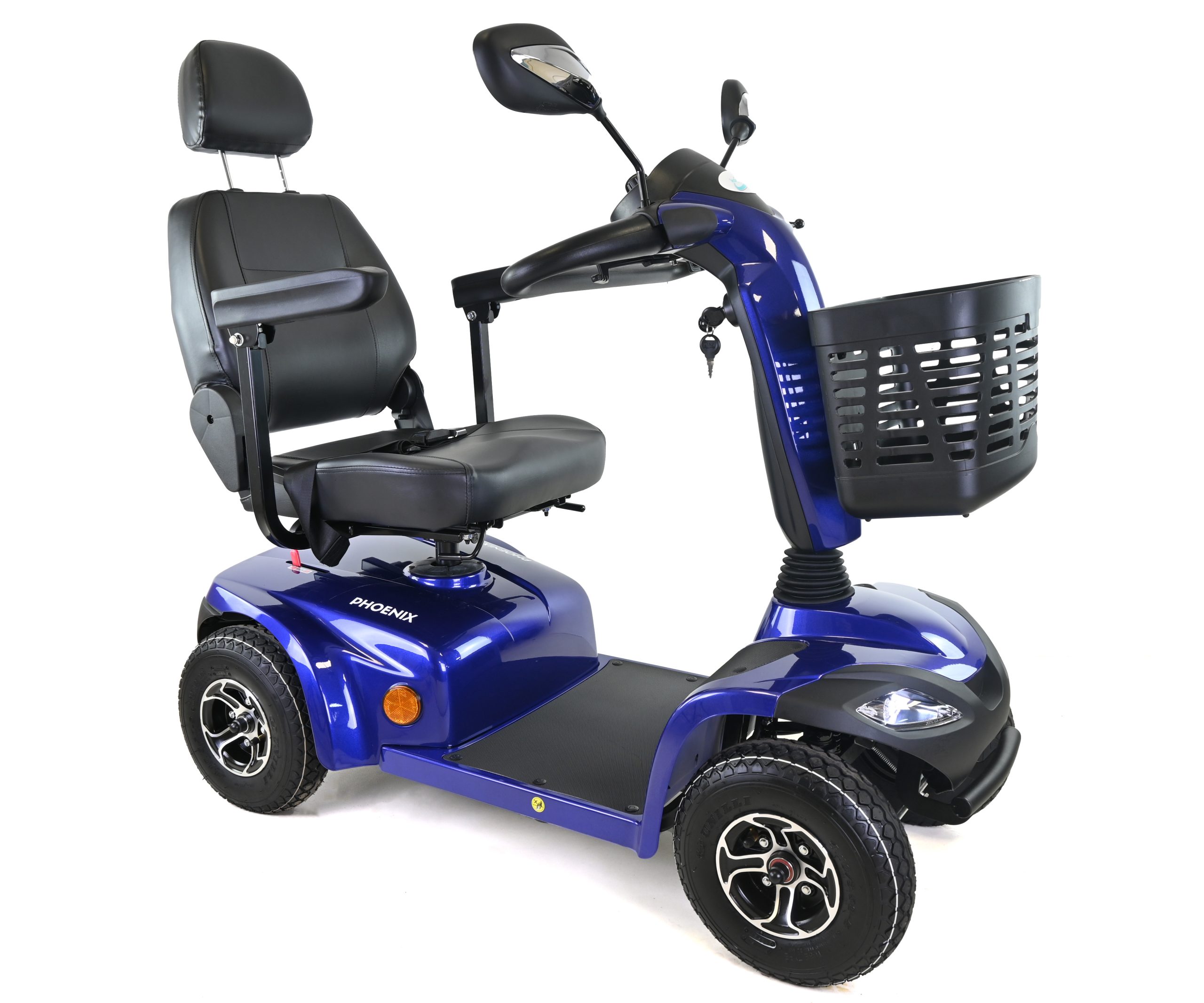
At A Mobility Shop, we offer a wide variety of scooters to meet the needs of our customers. From lightweight, folding scooters, to bigger ones, we have a scooter that is perfect for you and your budget.

Whether you’re looking for compact boot scooters or powerful 8mph models, A Mobility Shop has you covered. Brands include Pride, Drive, Kymco, Van Os Excel, Komfi Rider, and more.

Discovering St Helens on a Mobility Scooter: Your Guide to Independent Exploration

St Helens, a vibrant town in Merseyside, is perhaps best known for its rich industrial heritage, particularly in glassmaking and coal mining. Today, it stands as a testament to regeneration, offering a blend of modern amenities, green spaces, and a strong sense of community. For elderly and disabled individuals considering a mobility scooter, St Helens presents an increasingly accessible and welcoming environment, encouraging independent living and exploration.

St Helens: Industry, Green Spaces, and a Warm Welcome

Geographically, St Helens is situated in a relatively flat plain, making much of its urban and surrounding areas quite navigable. While its industrial past is evident in architectural remnants and local museums, the town has embraced significant regeneration, with new shopping facilities, leisure centres, and beautifully redeveloped parks. This blend of heritage and modernity gives St Helens a unique character.

For residents and visitors, especially those with mobility needs, St Helens offers a practical and friendly appeal. The town’s commitment to improving its infrastructure means that many areas are becoming increasingly scooter-friendly. The warm, community-focused nature of its people also contributes to a reassuring atmosphere, where assistance is often readily available if needed. The local landscape, interspersed with surprising green oases, provides ample opportunities for outdoor enjoyment and maintaining an active lifestyle.

From Industrial Powerhouse to Accessible Community: St Helens’ Evolution

St Helens’ history is deeply rooted in the Industrial Revolution, particularly with the growth of the glass industry (Pilkington Glass) and coal mining. This industrial legacy, while bringing prosperity, also shaped the town’s physical layout and, for many years, posed challenges for accessibility due to heavy industry and dense urban development.

However, as these traditional industries declined, St Helens embarked on significant regeneration efforts from the late 20th century onwards. This period has seen a concerted focus on urban renewal, improving public spaces, and enhancing connectivity. Initiatives like the creation of new town centre facilities and the development of accessible transport links, though driven by broader economic and social goals, have inadvertently created a more accommodating environment for those with mobility challenges. The transformation from an industrial powerhouse to a more community-centric town has naturally led to a greater emphasis on the well-being and ease of movement for all its residents.

Life for Elderly and Disabled Residents in St Helens

St Helens has a significant proportion of elderly residents, reflecting a common demographic trend in many established British towns. This, coupled with a growing recognition of the needs of disabled individuals, means that maintaining independence and quality of life for these groups is increasingly a local priority. Mobility scooters are becoming a more common sight, empowering individuals to participate more fully in daily life.

The social and lifestyle aspects for elderly and disabled residents in St Helens are bolstered by numerous community groups, support networks, and local services. From active social clubs at community centres to dedicated support organisations for various disabilities, there are ample opportunities for engagement. The ability to easily access these services, attend local events, visit family and friends, or simply enjoy a day out shopping, is greatly enhanced by the use of a mobility scooter. This allows individuals to retain their autonomy and remain integral members of the St Helens community.

Disabled and Accessibility Facilities in St Helens

St Helens has actively worked to improve its disabled access facilities across various sectors.

  • Public Transport: St Helens Central train station generally offers good accessibility, with information available regarding step-free access, although it’s always advisable to check specific platform details or contact Merseyrail directly for the latest updates on mobility scooter accessibility on trains. The town’s bus network is also increasingly featuring low-floor, wheelchair-accessible buses, making journeys around the borough more manageable.

  • Accessible Buildings: Many newer public buildings and retail developments in St Helens town centre have been designed with accessibility in mind, featuring ramps, lifts, and wider entrances. Older buildings are also being retrofitted where possible. Key venues like the World of Glass and the St Helens Theatre Royal have made efforts to provide accessible routes and facilities.

  • Disabled Parking: Clearly marked Blue Badge parking bays are available in various car parks throughout the town centre and near major attractions, making it convenient for mobility scooter users to access key areas. Always ensure your Blue Badge is displayed correctly.

  • Public Toilets: While availability can vary, efforts are being made to increase the number of accessible public toilets. Major shopping centres and larger public buildings typically offer accessible facilities, often requiring a RADAR key for access. It’s advisable to plan your route and check for facilities beforehand, or enquire at larger establishments.

  • Dedicated Services: Companies like Ableworld Mobility & Stairlifts in St Helens on Eccleston Street offer sales, servicing, and even rental of mobility scooters, providing crucial local support and expertise for users. They often have dedicated parking and accessible premises for easy access.

Mobility Scooter Infrastructure: Navigating St Helens with Ease

St Helens’ urban landscape is, on the whole, quite conducive to mobility scooter use.

  • Smooth Pavements: Much of the town centre boasts relatively smooth and wide pavements, particularly in redeveloped areas, making for comfortable travel. While older residential streets might present some unevenness, key thoroughfares are generally well-maintained.

  • Accessible Routes in Parks: St Helens is surprisingly green, with several well-maintained parks that offer accessible pathways. Taylor Park, a beautiful Victorian park, features smooth, wide paths that are perfect for a leisurely scooter ride, allowing you to enjoy its lake, walled garden, and historical features. Sherdley Park, a larger green space, also has extensive accessible routes, making it ideal for longer excursions. These parks provide wonderful opportunities for independence and outdoor activities, allowing users to enjoy nature, fresh air, and gentle exercise.

  • Community Paths: While not always designated “scooter tracks,” many of St Helens’ public footpaths and repurposed old railway lines offer relatively flat and smooth surfaces suitable for mobility scooters, connecting different parts of the town and its surrounding areas.

Parking and Routes: Exploring St Helens’ Highlights

Parking your mobility scooter in St Helens is generally straightforward. On wider pavements in the town centre, there’s often ample space to safely position your scooter without causing obstruction. When visiting specific venues like shopping centres or leisure facilities, look for designated disabled parking areas which may offer more space. Responsible parking, ensuring clear passage for pedestrians and other users, is always encouraged.

Here are some recommended routes and points of interest accessible by scooter:

  • Town Centre Shopping: The main shopping areas around Church Square and St Helens Church Street are largely pedestrianised or have wide, smooth pavements. This allows for easy access to the modern Church Square Shopping Centre and the surrounding independent shops and high street retailers.

  • The World of Glass: A visit to the World of Glass museum is highly recommended. Located near the town centre, it is designed to be fully accessible, allowing mobility scooter users to explore the fascinating history of glassmaking in St Helens.

  • St Helens Rugby League Football Club (Totally Wicked Stadium): For sports enthusiasts, the stadium is modern and well-equipped for disabled access. While navigating the immediate vicinity on match days might be busy, the stadium itself is designed to be accessible.

  • Local Parks: As mentioned, Taylor Park offers lovely, accessible routes for a scenic ride. Sherdley Park provides an even larger area for exploration, including its pets corner and various features.

  • The Citadel Arts Centre: Located centrally, The Citadel offers a diverse programme of music, theatre, and comedy, and strives for full accessibility for all patrons.

When planning your routes, consider sticking to the main roads and pavements where surfaces are generally better maintained. For longer journeys or exploring beyond the immediate town centre, consulting a local map or speaking with staff at a local mobility shop can provide valuable insights into the most accessible paths.

Safety Tips and Regulations for Mobility Scooter Users in St Helens

Operating a mobility scooter in St Helens, as anywhere in the UK, requires adherence to safety guidelines and common sense.

  • Pavement Use: Class 2 mobility scooters (which have a maximum speed of 4mph) are designed for pavement use. Always give priority to pedestrians and be considerate, especially in crowded areas. Slow down and maintain a safe distance.

  • Road Crossing: When crossing roads, always use designated crossings (zebra crossings, pelican crossings) where available. Wait for traffic to stop and ensure you are seen before proceeding. If using a Class 3 scooter (which can go up to 8mph and can be used on roads), remember to switch to 4mph when on pavements.

  • Visibility: Enhance your visibility, particularly in low light or poor weather, by wearing bright or reflective clothing. Ensure your scooter’s lights are working.

  • Navigating Obstacles: Be mindful of uneven pavement sections, kerbs, and street furniture. Always approach kerbs at a right angle if attempting to mount or dismount, and only if within your scooter’s capabilities. Prioritise dropped kerbs.

  • Battery Management: Always ensure your mobility scooter’s battery is fully charged before long journeys. Understand your scooter’s range and plan stops accordingly.

  • Local Laws and Guidelines: Mobility scooters are covered by the Highway Code. While there are no specific “St Helens laws,” these national guidelines apply. St Helens Council, like other local authorities, advocates for safe and responsible use of mobility scooters to ensure the well-being of all pavement and road users.

  • Community Initiatives: While formal “scooter awareness” programmes might not be widely advertised, the presence of local mobility shops and community support groups means that advice and assistance are readily available. Don’t hesitate to seek guidance from these local resources.

St Helens is a town that is continually evolving and improving its accessibility. With a mobility scooter, you can confidently explore its renewed town centre, enjoy its welcoming green spaces, and fully participate in its vibrant community life, embracing a truly independent and enriching experience.